

What is Depression?
Depression is a feeling of extreme dejection and sadness and usually comes with a feeling of helplessness and discontent. You feel as if you have no control of everything happening in your life and the whole world has departed you. Your mental health state is agitated and lacks the power and will in concentrating with your normal functions at work or sleep.
Dangers of Depression
According to health experts at the College of Family Physicians in Canada, depression, if not treated on time, can lead to serious temporary or permanent health complications which can negatively affect your character. Depression has been known as a major cause of suicide when you find it as the only mean of escaping the agony. With depression, you are more likely to resort to alcoholism and drug abuse through self-medication and finally become an addict.
There have been numerous cases of people permanently harming their bodies as a result of depression with some succumbing from such injuries. Others turn their anger to close relatives and loved ones which in some cases result to divorce or separation. Other dangers of depression include lack of concentration in schools leading to poor performance and dropping out. Depressed people are likely to make wrong decision in simple matters in life leading to compound harmful effects later in life.
Who can get Depression?
Every person can get depression but research shows that women are more vulnerable than men. During pregnancy, women become more culpable to depression due to hormonal changes. The same case applies after birth especially due to the more time and energy they spend in attending to their bundles of joy. Inadequate sleep while concentrating to their toddlers also increases the feeling of dejection.
You are more likely to become depressed when experiencing financial difficulties. According to Dr. Marie Savard in an interview on “Good Morning America”, elderly people are much more likely to be alone, socially isolated or feel a general lack of purpose making them more susceptible to depression.
How do I know if I know if I have Depression?
You can easily tell if you are suffering from depression by lack of energy to concentrate in whatever you do and a feeling of restless or frustration. You start focusing on negative things losing interest in life and start contemplating of suicide. Your sleeping pattern is also altered giving too little or more time in bed than usual. Worry and guilt accompanied by frustrations and unexplainable aches on your body also signals a state of depression.
If you feel dejected, you are not alone since anyone can get depressed. Women have higher chances of developing depressive illnesses although there has been no clear cause of its prevalent in them. Theories behind this suggest that women are closer to their emotions than men. During pregnancy and after childbirths, the sudden hormonal imbalances trigger the onset of depression.
People with multiple stresses of life like financial problems and relationship issues are at higher risk of gloominess as their struggles to cope overwhelm them. Loneliness or living in isolation especially among the elderly can spark the feeling of self worthlessness. You need a close friend or a partner to share your worries with as the saying goes, “a problem shared is half solved.” There is a popular theory which speculates that people who suffer from viral infections develop chronic fatigue syndrome.
After treatment of a viral infection, symptoms of depressive illness persist under unclear circumstances. In reference to Anxiety and Depression Association of America (ADAA), most people get depressed after loss of loved ones, job loss and divorce stating that the feelings are normal to stressing factors in life. Unfounded depressive illnesses can be traced in genetics in cases where you inherit the condition from your parents. However, the chance of a family member inheriting depression is usually one out of six.
Depression in Women
Women experience hormonal changes during various phases in life which can spark occurrences of depression. Instances in women when depression may strike as a result of hormonal imbalances include puberty, during pregnancy, after a miscarriage and afterbirth. Too much attention required by a newborn especially at night deprives their mothers a lot of sleep and this can initiate depression. An infant in sickness can inflict harm in the health of its mother leading to stress. There are also notable hormonal changes before, during and after menopause in women previously linked to the start of depressive illnesses.
Depression in Men

Even though depression is more common in women, men are not exceptional as they too also experience it. “While the symptoms used to diagnose depression are same regardless of gender, often the chief complaint can be different among men and women,” said Ian A. Cook, MD, the Miller Family professor at the University of California, Los Angeles. Most men deny losing grip of their emotions fearing accusation being feminine. They resort to engaging in wild habits like over indulging in alcohol only to finally burst in to fury. Depression in men manifest through bodily pain like back ache, frequent headaches or loss of sexual drive. Irritability, insomnia and reckless behavior are clear signs of depressive illnesses in men too.
Depression in the Elderly
At old age, many people have experienced so many distressing moments including the loss of loved ones and medical problems which can all lead to depression. Apparently, the aged fail to recognize the importance of seeking medical help when depressed and assume it is a part of life in the old times. The elderly also fail to recognize the physical symptoms of depression mistaking them with those of the aged. At old age, you are likely to live in isolation and lack the opportunity to share your experiences with a friend or relative. Perhaps at old age, you can’t work at all and you are entirely dependent on others. Thoughts of loneliness and lack of significance in life shoots up your likelihood to become depressed.
Depression in Children

Majority would think that depression only affects the grownups. On the contrary, kids and teenagers too can experience the same condition. They too have feelings. However, kids suffer minor depressive illnesses and are mostly notable through anger and behavioral changes. Sadness or low moods just like in the adults are indications of depression in kids and teenagers. You can also notice a sudden drop in performance at school or your kid doesn’t need company at home. You should closely liaise with the teachers who quickly note such changes and give a feedback. To prevent your kid from developing negative addictive behaviors, it is important you watch for signs of depression the earlier the better.
Types of Depression
There are different types of depression that manifest differently in an individual. The two most common types of depression are Major depression also referred to as Clinical depression and Chronic depression aka Dysthymia. However, there are other forms of depression with different symptoms and requires unique treatment therapies.

What Causes Depression?
Depression is directly linked to chemical imbalances in the brain that break coordination of nerve cells inhibiting normal responses to stimuli. Depression in some cases run in families as it is genetic though doesn’t affect the whole relatives. Events in your daily life directly relate with depression especially if you are unable to cater for basic needs especially food following a sudden dismissal from work or joblessness.
If you live in isolation while experiencing the stresses of life, you risk getting depressed since you don’t get a chance to speak them out. Lack of frequent interaction with other people due to personal commitments or lack of a close confidant elevates occurrence of depressive illnesses. Accidents can lead to permanent illnesses or disabilities which can leave negative feelings which cause depression. Patients diagnosed with chronic illnesses and drug addicts who fail to quit are prone to dispirited lives unless they undergo special treatments.
Why am I Depressed?
There is no single reason why you are feeling depressed. Several combined factors are attributed to your current experience and the negative general overview in life. Your pessimistic perception in life to suggest that you are depressed is mainly as a result of the following factors.
What are the Main Causes of Depression?
Life to the majority has never being a smooth road. There are series of ups and downs with some rooted from your childhood. Past experiences to the current lifestyles combined with both inanimate and animate objects could subject you to depression. Outlined below are some of the main causes of depression.
Is Depression Hereditary or Learned?
Depression can either be inherited or learned. Research has shown that manic, bipolar and postnatal types of depression can be passed from parents to their siblings. You are at a higher chance of getting depressed if either of your parents suffered the same. Recent studies show that you can easily learn depression from a family member portraying the signs than inherit from your parent.
Biological Causes of Depression
Biological causes of depression constitute major activities in your body that prompt depressive illnesses. These include physical changes in the brain, nerve cell transmissions and hormonal changes.
Environmental Causes of Depression
The rate at which our bodies absorb synthetic chemicals from the environment is shocking. This results from our exposure to toxins such as pesticides, industrial products, food addictives and preservatives and drugs. Foods, water and hormonal drugs that you consume contains chemicals which expose your immune systems to sicknesses that can lead to depression. Non-chemical environmental contributors of stress you get include noise pollution and calamities.
How Depression is Related to Suicide?
Serious traumatic events in a person’s life combined with stresses of life lead to depression. The feelings of worthlessness and lack of significance in life ignites the call to end one’s life. Suicide seems as the last resort of overcoming the overwhelming strains of life. Once dead, you are sure the agony of living under pressure is gone. Instances occur where one is rescued while trying to commit suicide. Such cases should be held by a professional counselor as other complications may have arisen from the attempt.
Signs and Symptoms of Depression
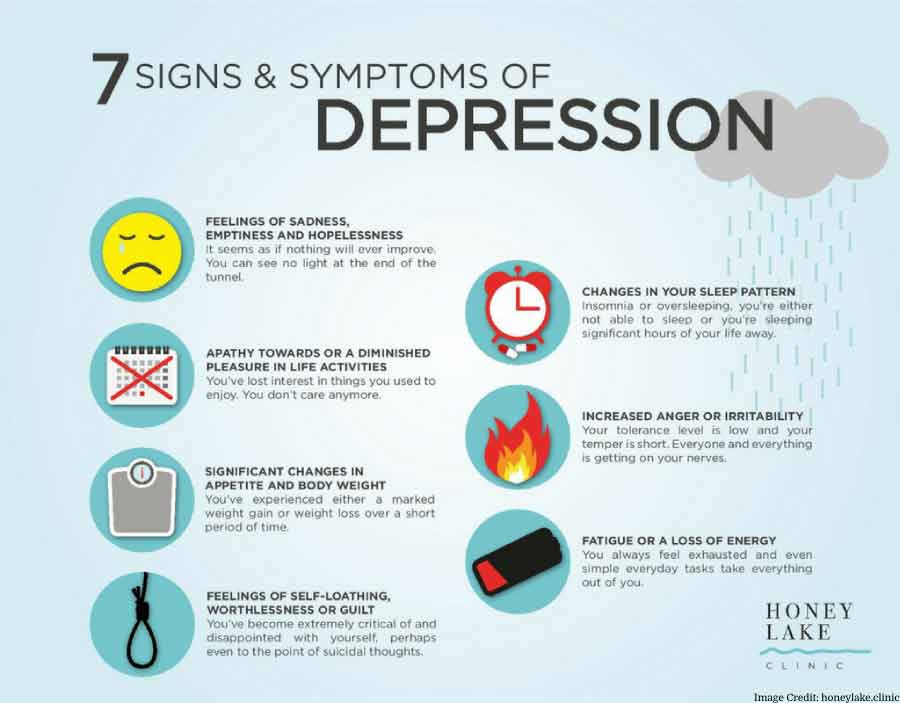
Depression symptoms differ from one person to another. There are several psychological and physiological changes which you will experience when suffering from stress. Mental symptoms include loss of interest at work or school, indecisiveness and reduced self esteem. Anxiety, unfounded worries and a drop in hobbies are clear symptoms of depression. You are also unable to cope with your colleagues at job or home. You exhibit negative overreactions to simple jokes with workmates and friends.
Behavioral changes resulting from stress comprise of lack of appetite, change in tone when speaking and interrupted sleeping patterns. Nightmares and restlessness in bed could mean the same. Depressed women may suffer altered menstrual cycles. Constipation, loss of libido and soured relations with your partner can be great indicators of depression too.
Signs of Depression
Signs of Depression in Women
Women unlike men are more prone to depression; this could be attributed to their deep connections with their emotions. Due to fatigue and lack of energy, they lose interests in carrying out their daily chores. Sadness and anxiety can’t go unnoticed. They passionately fall in to tears over simple issues with some seeking for more time in isolation than with their partners or family.
You will easily notice change in their sleep patterns where they spend too much time asleep, though some suffers insomnia. In some women, food become resort to depression and constantly takes meals leading to weight gain. Others lose appetite and end up skinny. They are haunted by feelings of guilt, worthlessness and lacks purpose in life. Suicidal thoughts can’t fade in their mind and in extreme cases some may even commit or attempt suicide.
Signs of Depression in Men
Men unlike women show less signs of depression. This is due to their diehard approach to challenges they face. To point it clearly, they wouldn’t like to appear more feminine in character however pressing situations could be. Depressed men enjoy spending more time in isolation.
Men who drink over indulge and opt to engage in irresponsible behaviors such as casual-sex or risky sporting activities. Constant headaches and physical pains are indicators of depression in men. They may shift their anger to their partners and become more brutal at the slightest provocation. They may find it hard to have an erection during sex. I reference to the National Institute of Mental Health (NIMH), depressed men are at a higher risk of committing suicide than women.
Signs of Depression in Teens
Mostly teens exhibit different symptoms of depression at schools and home. They withdraw from friends and family members preferring to stay alone. There are notable changes in sleeping and eating habits. Hobbies and sports previously enjoyed can no longer take away the sadness and hostility they wear on their faces. They easily become bitter and irritated spending much time crying or in low moods. At school, they find it hard to concentrate or get motivated, ending up performing poorly. Suicidal thoughts haunt them as well.
Signs of Depression in Kids
Kids enjoy being loved by everyone. Too much irritability and anger they express when neglected or unattended to could signal depression. Your kid looks tired, sad and hopeless and won’t smile from a giggle. They prefer to stay on their own and will cry when held by a grown up. Toys too won’t make a difference and will either eat less or too much. There is also sudden change in sleeping pattern.
Signs of Depression in Elders
Shying away from their physical appearance is a sign of depression in the elderly. Personal care becomes a bother to your grandpa, he no longer showers. Your mum may decline an invitation for a meal and instead wish to have it packed. She’s withdrawing socially, a sign she is depressed. Perhaps you used to make jokes with your dad but lately you notice he is irritable to the slightest ones; something is amiss. Depressed elders may complain of increased pains especially in their backs.
Warning Signs of Depression
A sudden loss of interest in what you previously enjoyed like hobbies and games could signal the onset of depression. Are you used to be woken up by an alarm? Do you find it hard to get out of that bed or the alarm snoozes? Feeling of exhaustion or too much sleep can indicate the start of depression.
Changes in appetite leading to either weight loss or gain means depression is taking toll of your healthy eating habits. When creeping in, depression brings you close to tears over small issues. You weep without a reason. You will start finding it hard concentrate or make decisions. Other warning signs of depression include suicidal thoughts, worry, restlessness and feelings of guilt.
Symptoms of Depression

Depression Symptoms in Children and Teens
It is normal for kids and teens to wear sad faces or become moody in cases where a toy is misplaced without a trace or a pet is lost. However if the sadness doesn’t fade for a couple of days, this could clearly tell that your kid is depressed. Sadness and gloominess are clear signs of depression in young ones and teens. You will easily notice that they enjoy spending too much time on their own either in their rooms or outside from other family members. Young kids lack energy and look worn out without energy to smile.
Another great sign of loneliness is sudden loss of interests in their hobbies and sports. For school going kids, there is a drop in the overall performance and inability to concentrate in class. They are also likely to suffer frequent headaches and stomachaches. Their tutors can easily tell by asking simple quizzes and give instant feedback to their respective parents. Teens are at higher risk of depression due to hormonal changes at puberty.
Loss or gain in weight in teenagers and kids can also signal depressive illness. Lack of sleep and restlessness in bed could as well indicate your young one is suffering from depression. Too much sleep and difficulty in waking up should get you concerned too.
Depression Symptoms in Older Adults
The most outstanding symptom of depression in older adults is the overall decrease of their output at places of work. This results from their inability to concentrate and lack of energy for the job. Due to fatigue, tasks they previously performed at ease become difficult taking more time than usual. Older adults with depressive illness become restless and find it difficult to sleep or rest.
In other cases they oversleep and find it difficult to report to work on time. A change in body weight can point out depression resulting from change in appetite. Depressed older adults find it better staying on their own and are easily irritated by others since they find them as a bother. Feelings of guilt, anxiety and panic attacks coupled with thoughts of suicide could mean you are depressed.
However hard you try to control the negative thoughts, it becomes difficult and they soon creeps back in. Back pains, regular headaches and unfounded pains on your entire body could also indicate depression. Older adults who suffer depression may start taking more alcohol than usual and get involved in reckless behaviors. Others may inflict physical harm on their bodies.
Depression and Suicide
Yes. Majority of people who commit suicide suffer from depression combined with other mental disorders. If unattended, stresses of life coupled with depression can easily trigger the urge to take your life. A comprehensive treatment is therefore necessary for the depressed to avert the possibility of patients ending their lives.
Patients who exhibit serious degrees of depression should be referred to psychologists for specialized treatment. Even though depression is very common in women, most suicide cases are reported in men. People with genetically predisposed depression may not show serious symptoms although they may end up committing suicide.
How to Overcome Depression?
In overcoming depression, you will have to set your mind clear by starting with small achievable goals. Admit you are depressed and chose the course of action. Aiming simple goal a day is a great start. Make a walk and meet new faces and scenes to replace your negative thoughts. A scenic landscape can do magic. Explore it further to find the beauty in it.
You should closely monitor what you are thinking about. Whenever a negative idea comes in to mind, try replacing it with the best times you ever had. With time you will find yourself on the right track. Instead of resting around your home thinking of how miserable you are, get on sporting shoes and run a few yards or miles. Physical exercises play an important role in helping you to overcome depression and stress.
You will also boost your immunity and stay healthy by keeping fit. A work out will render your body tired and ready for a good sleep. A self reward or a special treat for every positive progress made will propel your goal of breaking the chains of depression.
Prevention
If you notice the onset of depression at an early stage, you stand a better chance to prevent its occurrence. Don’t just eat those junky foods your mouth craves for. Ensure you take a well balanced meal for the normal functioning of your body. Exercising regularly ensures your body remains healthy throughout. Dr.
Phil’s urges people who never exercised regularly to gradually embark on it after consulting with their physicians if they suffer any chronic illnesses. Go out and have fun. Mingling with different people while having fun will greatly reduce depression. You should ensure you have adequate time for your body to relax.
Depression is preventable if noted while emerging. If you notice the onset of a depressive illness, consider taking a psychiatric evaluation test and undergo a psychotherapy if need be. Creating an open social network with relatives, spouse or family friends can turn away depressive illnesses. Listening to what friends say about change in your character will help you recognize when depression wants to attack.
If you are an addict of alcohol or drugs, you should seek immediate treatment. Always check on your stress levels by joining a self help group and ensure that you get the right amount of sleep. Exercising routinely will make your body tired and willing to rest. This will help you during relaxation. Being aware of the risks associated with depression is paramount to ensuring that it does not catch up with you. Enjoy your life without any trace of depression. “There are wounds that never show on the body that are deeper and more hurtful than anything that bleeds.” – Laurell K. Hamilton, Mistral’s Kiss
Where To Go For Help?
In case you unable to overcome depression on your own, it is always advisable to seek further advice from your family doctor. For emergency cases, you can find online support from directories or contact mental health specialists such as psychiatrists, psychologists or mental health counselors. Remember to check on your family health insurance plan for such covers and contacts where you get assistance.
Community health centers within your residence can also provide a solution for extreme cases of depression following an attempted suicide and refer you to specialists for further treatment. If you are at work, reach out to employees’ assistant departments or University school-affiliated medical centers if in a college or educational institution.
The Role of Anti-Depressants
To avoid dangers of depression, you should seek fast medical attention where doctors will prescribe antidepressants depending on the cause. Anti-depressants work by correcting chemical imbalances of serotonin in the brain. During depression, the level of serotonin is decreased inhibiting coordination.
An Anti-depressants increase the levels of serotonin which serve as chemical carrier in the brain. After being restored to normal function, your brain stimulates the standard functioning of other organs involved in hormonal secretions, digestion and respiration. Patients using antidepressants regain their health in about two weeks.
Side Effects of Anti-Depressants
However, there are various negative effects to expect when using anti-depressants. They include loss of appetite, delayed orgasms and erection problem in men. In some case there is increased perspiration, sleeplessness and blurred sight. Dehydration and bodily tremors are also imminent when using anti-depressants.
There is no point of worry or concern if you experience these side effects since the positive roles the drugs play will be notable in a fortnight.
Diagnosis Options for Available for Depression
There are two types of diagnosis of depression. Clinical diagnosis involves tests for nutrients imbalances and a scrutiny for thyroid activities in the secretion of hormones. It is extremely important for you to open up to your medical practitioner on your condition to avoid instances of misdiagnosis.
Report the use of alcohol or drugs since they may alter the outcome of these tests. A clinical test can involve a short memory test on your abilities to concentrate and comprehend. Behavioral observations diagnosis is applicable mostly in young people and kids. You will observe the desire to isolate from others, irritability and sadness. If treatment doesn’t improve in a month, you should consider seeking the referral to a psychiatrist from your health care provider.
It is normal to get depressed in the course of your life. The challenges we are exposed to in our daily life can ignite the feelings of dejection. Everyone can get depressed regardless of his/her social status. Close to a third of people in the US report cases of depression. The gloomy feelings of depression can be traumatizing.
Everything seems to work against you. You are unable to concentrate at work since you lack the energy. Some cases of depression go unnoticed and eventually lead to suicidal attempts and deaths. The intensified sadness and loss of interest can cause distress unless you seek professional help.
Depression Treatment Tips
To recover from depression, you must take action. However, depressed people find it hard to make a step in the right direction. The changes needed are the most difficult to implement. You should start with small achievable goals. With time, the impact will look quite significant. Here are helpful tips to assist in your recovery even if you are under medication.
Therapy
Therapy refers to scheduled counseling sessions with a therapist from Winnipeg as a mean engaged to cure depression after it has been diagnosed. Depending on the cause and nature of your depression, your doctor will come up with the best remedial treatment. In some cases, he may have to use a combination of therapies.
Interpersonal Therapy
Interpersonal therapy is a time-limited treatment in which the psychotherapist encourages you to gain control of your moods and thoughts. Depending on the individual, Interpersonal Therapy may last for up to four months. Through an interview, a psychotherapist engages you in a conversation and makes you feel understood. You are then presented with a clear rationale and any helpful information to help in your recovery from depression.
Cognitive Behavioral Therapy

Cognitive Behavioral Therapy is based to address emotions, behaviors and cognitive processes. A therapist set some goals for you and gives guidelines for their achievement. Cognitive Behavioral Therapy is focused directly on particular problems in which a therapist helps in choosing an efficient strategy to their approach. This kind of therapy has been successfully used in the treatment of anxiety, substance abuse, and psychotic depression.
Psychodynamic Therapy
Psychodynamic therapy focuses the unconscious mind of a depressed patient in an attempt to flush out a psychic tension. A therapist might request for your attendance up to three times a week. If the cause of your depression has bothered you for a long duration, you should consider adopting Psychodynamic therapy. Through deep exploration, a therapist with your help tries to understand your unconscious mind in finding out the exact cause of your current behaviors and thoughts. You are requested to explore unresolved conflicts in your past and speak out of your past relationship with important people in your life.
Psychotherapy
Also, know as counseling, psychotherapy focuses on assisting you to heal and discover constructive processes of dealing with problems in your life. This is a helpful way when undergoing challenging issues such as stress or after a divorce. While undergoing psychotherapy, a therapist schedules appointments usually once a month with each session lasting about 20 minutes. You and the therapist come up with a set of goals which you intend to achieve within a given timeframe. You are provided with all the information to help you navigate through the challenging areas of your life
Electric Shock Treatment
Electric shock treatment refers to the use of electric current t to cure depression. In this method, electrodes are placed on your scalp and a well-controlled electric current applied. This is usually done when you are on an anesthesia. The current causes short-lived convulsions in your brain. Electric shock treatment is used in patients who fail to respond to other forms of treatments. It is recommended for use in patients with suicidal thoughts and those with manic depression.
Lifestyle
Change in lifestyle can greatly decrease depression. Health professionals recommend changes in diet, exercise, relationships, and substance abuse. The advantages of lifestyle changes are that it comes without a cost and one gets new experiences in life. Foods rich in vegetables, good relationships, recreation, and meditations are some recommended lifestyle changes that can curb depression.
Other Alternative Depression Treatments
Depending on one’s cultural and religious background, there a number of other depression remedies to choose from. You are not restricted to therapy, change in lifestyles or medicines. Other forms of treatments can work on you as well. Reflexology, acupuncture, herbal remedies, yoga, meditation, massages therapy, and guided imagery are some alternative cure to depression.
Medication
There are various types of antidepressant available in the treatment of depression. Antidepressants work by controlling the levels of neurotransmitters in the brain. This in return improves your moods. Tricyclic antidepressants drugs include Anafranil, Aventyl, Norpramin Trofranil and Zonalo. You can also take a quick scan of Serenagen Review which might help you fight depression.
However, due to their serious side-effects, physicians don’t recommend their use in first-time patients. Other drugs include Celexa, Paxil, Zoloft, Budeprion, and Wellbutrin. It is important to follow your physician’s instruction when taking these medications. Side effects include fatigue, dry mouth, headaches nausea and vomiting. Others may induce dizziness and sleep.
Post a Comment